
N’DJAMENA, Chad (SCANS) — A deadly skirmish in the restive border region between Chad and Sudan has left four security officers dead and ignited a firestorm of political controversy in N’Djamena, amid allegations that Chad’s elite security service refused to intervene against Sudanese criminal networks.
The clashes, which occurred earlier this week in the northern Burko region, claimed the lives of the commander of the Drak (Gendarmerie) and the regional commander of the National Mobile Forces (GNNT).
Chadian military sources confirmed the officers were killed during a high-speed field chase while attempting to intercept a heavily armed group of bandits crossing from Sudan.
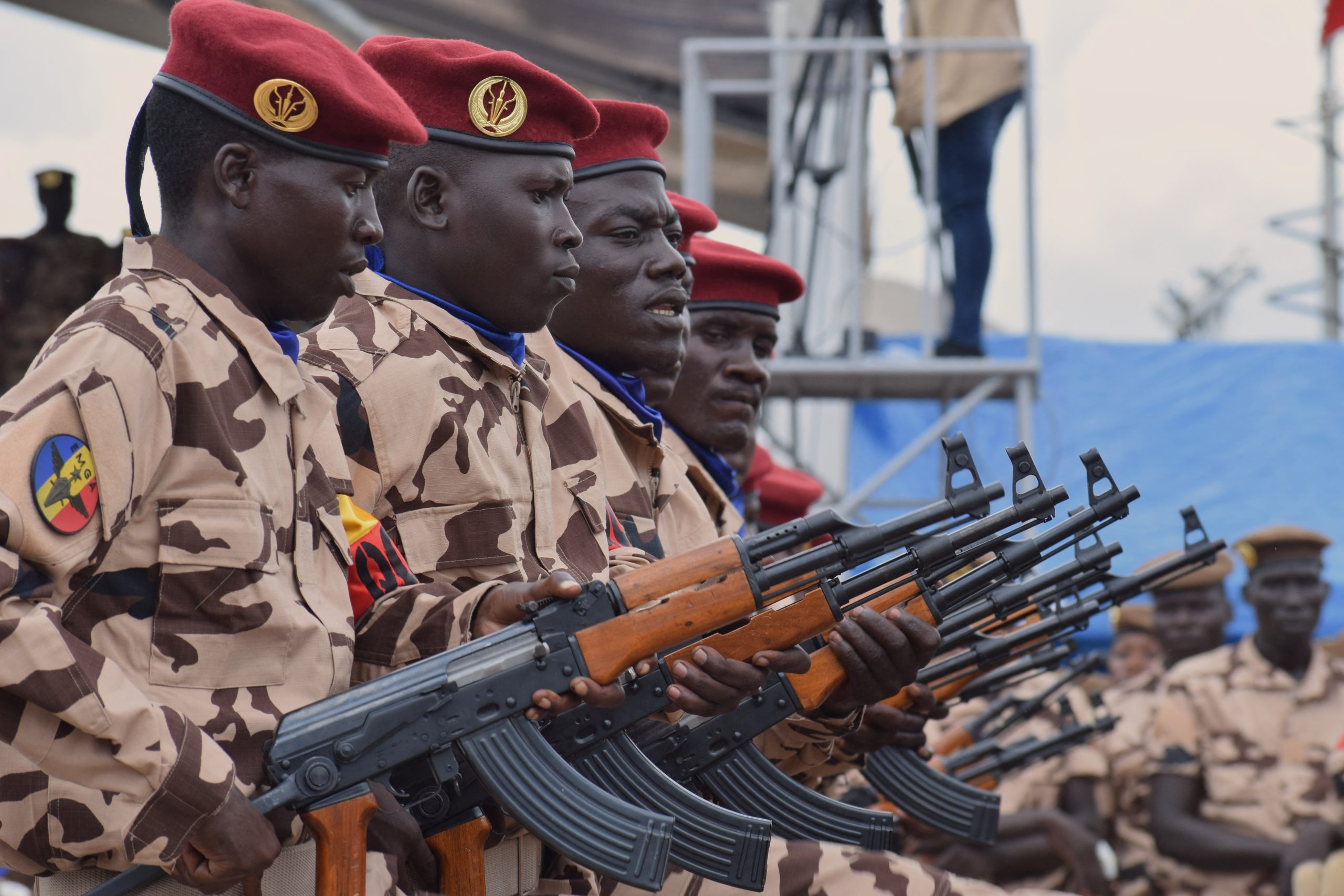
While the Chadian government hailed the fallen officers as martyrs who died “defending the population,” the incident has exposed deep rifts within the country’s security apparatus.
According to eyewitness accounts and preliminary internal reports, the Directorate-General of Security, Investigation and Intervention Service (DGSSIE)—the elite security arm of the Chadian presidency—reportedly refused a direct request to provide air support or ground reinforcements during the height of the battle.
The DGSSIE’s inaction has fueled explosive allegations of collusion.
Local community leaders and some military officials suggest that the criminal groups, often referred to as “Toruboro,” are operating under the protection of Sudanese generals who maintain back-channel ties with high-ranking DGSSIE intelligence officers.
“Our men were left to face superior firepower while the elite units stayed in their barracks,” said a senior military official who spoke on condition of anonymity.
“There are serious questions about who these bandits are actually working for and why they seem to move with such impunity.
“The “Toruboro”—a term historically used for freelance militia fighters in the Darfur region—has recently stepped up cross-border raids, targeting livestock and local merchants.
Security analysts warn that the blurring lines between organized crime, Sudanese paramilitary interests, and Chadian intelligence could destabilize the fragile transition in N’Djamena.
The Chadian Ministry of Defense has not officially commented on the specific allegations against the DGSSIE but stated that a “full investigation” into the circumstances of the ambush is underway.
In Sudan, military leaders have denied any formal links to the bandit groups, though the porous nature of the border makes verification difficult.
The deaths of the GNNT and Drak commanders mark the most significant loss of high-ranking Chadian officers in the border region since the escalation of the Sudanese civil war in 2023.
As funeral preparations begin, the incident has left the Chadian government facing a dual crisis: a deteriorating eastern border and a growing crisis of confidence within its own ranks.