
ABUJA, Nigeria (SCANS) — The Nigerian government reportedly paid millions of dollars in ransom to Boko Haram militants to secure the release of up to 230 schoolchildren and staff seized from a Catholic boarding school last November, according to intelligence sources cited in an Agence France-Presse investigation that has stirred fresh controversy over the country’s handling of mass abductions.
Four sources familiar with the negotiations told AFP that the funds — estimates ranged from about 2 billion naira to roughly $7 million — were delivered by helicopter to Boko Haram’s stronghold in Gwoza, Borno State, near the Cameroon border, and handed over to a commander identified as Ali Ngulde.
The release came after about two weeks of negotiations mediated by the office of the National Security Adviser, Nuhu Ribadu.
The report also says two Boko Haram commanders were freed as part of the deal, a claim that, if true, could further complicate Nigeria’s legal and security policies.
Payments to kidnappers and terrorists are prohibited under Nigerian law.
Government officials deny any payment occurred. The State Security Service reiterated that “government agents don’t pay ransoms,” and spokespeople for the National Security Adviser’s office did not respond to multiple interview requests.
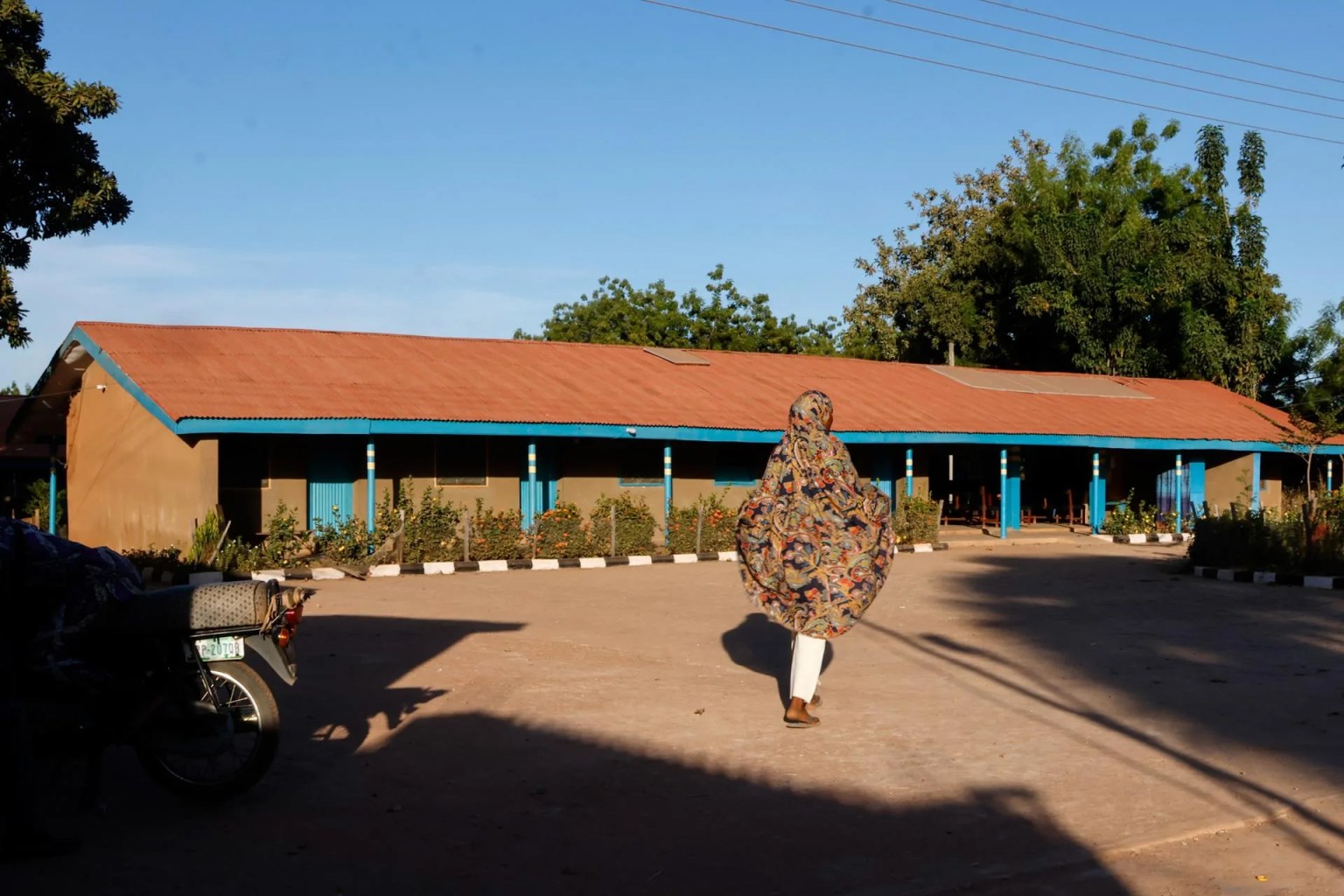
The abduction occurred on Nov. 21, 2025, when armed gunmen stormed St. Mary’s Catholic School in Papiri, Niger State, dragging pupils and staff into nearby forests.
At least 50 captives escaped in the immediate aftermath, and the remaining hostages were released in staged phases in subsequent weeks.
Church authorities said that about 230 children and staff were eventually reunited with their families.
Analysts say the incident underscores the grim reality of widespread abductions in Nigeria, where Islamist insurgents, criminal “bandit” groups, and hybrid networks routinely use kidnappings as a revenue source.
Despite an official “no ransom” policy, observers note that payments — whether direct or indirect — have become an informal part of resolving hostage crises.
The revelations could strain relations with international partners, including the United States, which has pressed Nigeria to take firmer action against extremist violence and kidnapping networks.
Nigerian authorities have attributed numerous mass abductions to both Boko Haram and Islamic State West Africa Province, though some foreign analysts argue that many attacks are carried out by loosely organized local criminal groups.
Mass kidnappings remain a major security challenge across Nigeria, with scores of attacks on schools, churches and villages reported in recent years.
A separate deadly assault in Zamfara State this week killed at least 38 people and led to further abductions, highlighting the persistent threat across the north.
The government has vowed to continue efforts to rescue victims and strengthen security, but critics say more transparency and coordinated action are urgently needed to curb the expanding kidnap-for-ransom economy.