
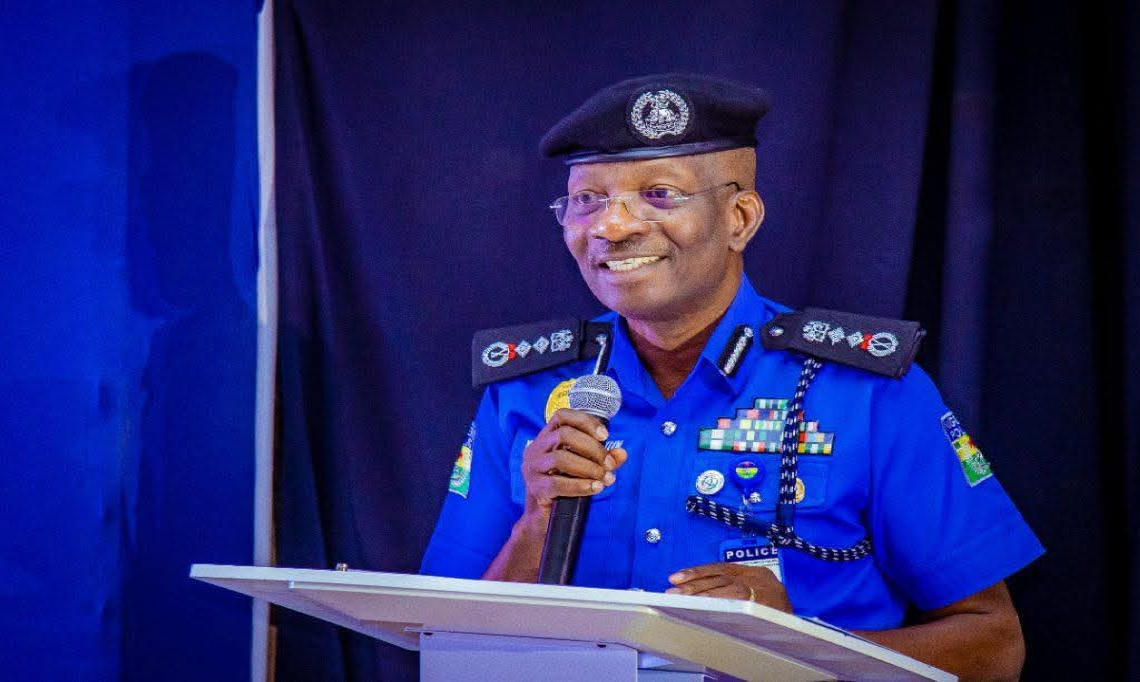
ABUJA, Nigeria (SCANS) — President Bola Ahmed Tinubu has accepted the resignation of Inspector-General of Police Kayode Egbetokun, a surprise development that caps months of controversy over the leadership of the Nigeria Police Force and comes amid persistent national security challenges, Nigerian government sources confirmed Tuesday.
The State House in Abuja released a statement saying Egbetokun tendered his resignation earlier Tuesday, citing “pressing family considerations” that demand his full attention.
Tinubu praised Egbetokun’s “decades of distinguished service” to the force and the nation.
AIG Tunji Disu, a senior police officer with experience in major operational commands, was immediately named acting Inspector-General of Police, the statement said, a move aimed at sustaining focus on the country’s internal security architecture.
The presidency said it will soon convene the Nigeria Police Council to consider Disu’s substantive appointment, after which his name will be forwarded to the Senate for confirmation as required under the Police Act 2020.
Conflicting Accounts, Official Explanation
Though the official explanation points to personal reasons, multiple media reports from inside Abuja suggested Egbetokun’s departure followed a directive from the president during a closed-door meeting at the Presidential Villa on Monday.
Several outlets cited unnamed sources saying Egbetokun was asked to step aside and prepare for handover to Disu.
Before his resignation, Egbetokun had led the Nigeria Police Force since his appointment in June 2023 and was serving a four-year term slated to run through 2027 under an amendment to the Police Act.
That amendment allows an inspector-general to serve a fixed four-year term irrespective of age or prior service, a change that previously sparked debate in legal and political circles.
Security Landscape and Leadership QuestionsEgbetokun’s tenure was marked by ongoing national security crises, including widespread kidnappings, banditry and communal violence across parts of the country.
Critics pointed to these persistent challenges as reasons for a leadership change in the police hierarchy, though authorities have not publicly linked these issues to his resignation.
Disu, his successor, brings a background in operational policing and criminal investigations.
Supporters, including some political figures, praised his professional credentials, though it was not immediately clear how quickly a substantive appointment would be confirmed.
The transition comes as President Tinubu’s administration faces pressure to strengthen internal security and boost public confidence in law enforcement ahead of ongoing political and social challenges nationwide.