
TRIPOLI, Libya (SCANS) — More than a decade after the fall of Muammar Gaddafi, Libya is grappling with a staggering security crisis as new international estimates suggest nearly 29 million weapons are in circulation across the North African nation, most of them entirely outside state control.
The figure, which equates to roughly four weapons for every Libyan citizen, has sounded fresh alarms among regional security experts and international observers who warn that the sheer volume of hardware is fueling both domestic instability and a burgeoning cross-border arms trade.
“The roots of this catastrophe date back to the early days of the 2011 revolution,” said retired Major General Adel Abdelkafi, a Libyan military expert.
“As the former regime faced collapse, weapons depots were flung open in a desperate bid to arm loyalists. Instead, millions of firearms flowed into the hands of civilians and burgeoning rebel groups. They have never been recovered.”
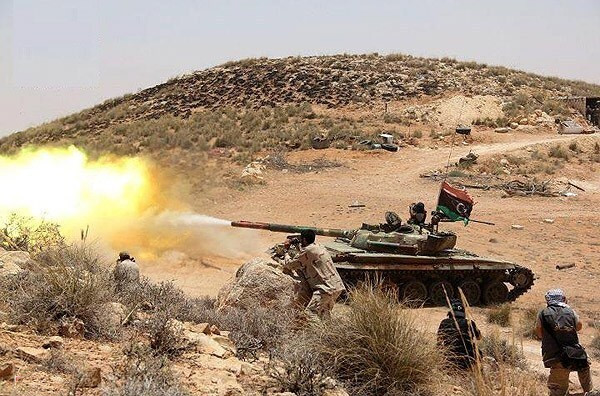
The proliferation has transformed Libya into a central hub for the illicit arms market.While small arms are ubiquitous in private households, experts note that medium and heavy weaponry—including anti-aircraft guns and man-portable missiles—are increasingly concentrated within the “spheres of influence” of powerful rival factions.
According to political analyst Hossam Al-Fneish, the threat has evolved. While the chaotic “free-for-all” of the post-2011 era has given way to a more structured control by de facto local powers, these arsenals remain detached from any unified national security framework.
“We are seeing a shift where possession of heavy weaponry is becoming more centralized among organized groups, yet they operate as states within a state,” Al-Fneish said.
He also pointed to the rising use of drone technology as a new layer of deterrence that makes traditional heavy armor more vulnerable, though no less dangerous to regional stability.
The consequences are already being felt far beyond Libya’s borders:
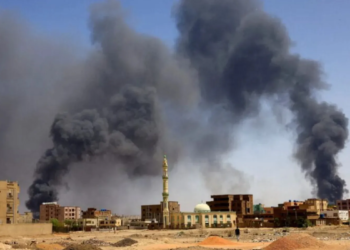
* Sudan Transit: Recent intelligence reports indicate that remote airfields in southern Libya, such as Kufra, have become logistical lifelines for the Rapid Support Forces (RSF) in Sudan, funneling weapons and fuel into the conflict there.
* Border Sweeps: Just this week, a joint Libyan-Chadian force reportedly seized a massive cache of surface-to-air missiles and heavy ammunition near the shared southern frontier, highlighting the porous nature of the desert borders.
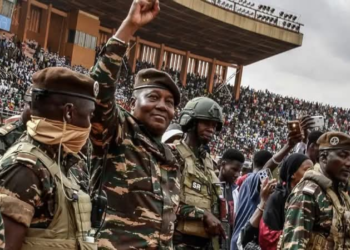
* Sahel Instability: Weapons from Libyan stockpiles continue to surface in the hands of insurgent groups across Mali and Niger, complicating international counter-terrorism efforts.Despite repeated calls from the United Nations and the African Union for a comprehensive Disarmament, Demobilization, and Reintegration (DDR) program, successive interim governments in Tripoli have failed to make a dent in the stockpiles.
Analysts argue that as long as the country remains politically fractured between rival administrations in the east and west, there is little incentive for armed groups to surrender their primary source of leverage.
As the political stalemate drags on, the “permanent war system” in Libya’s south continues to harden, leaving the international community to watch a country that has effectively become the world’s largest unsecured arms depot.