
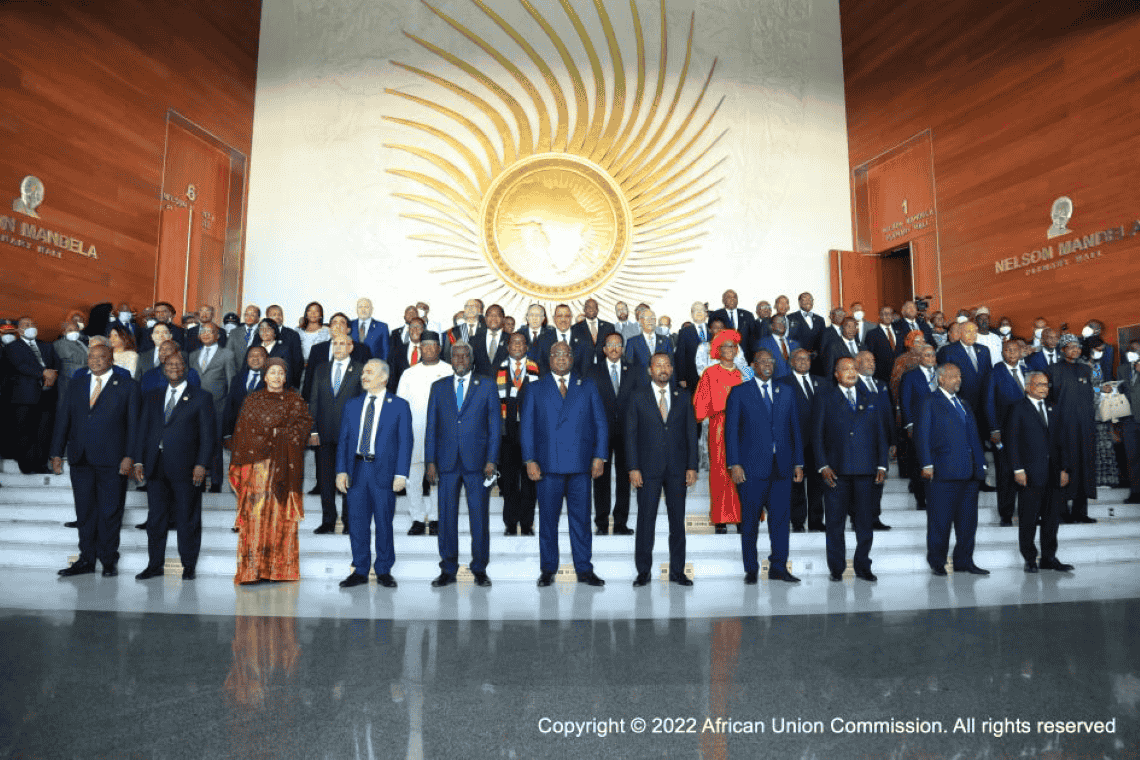
ADDIS ABABA, Ethiopia (SCANS) — The 39th Ordinary Session of the Assembly of Heads of State and Government of the African Union opened Saturday at the bloc’s headquarters in Addis Ababa, with leaders pledging renewed action on water security, sanitation, peace and institutional reform as African youth voice growing doubts about the organization’s ability to confront mounting economic and security challenges.
The two-day summit in the Ethiopia capital is centered on advancing sustainable water access and safe sanitation under the AU’s long-term development blueprint, Agenda 2063. Leaders are also reviewing ongoing conflicts, unconstitutional changes of government and reform proposals aimed at strengthening the AU’s financial independence and enforcement mechanisms.
Burundi’s president, Evariste Ndayishimiye, assumed the rotating chairmanship of the 55-member bloc for 2026, calling for “African solutions to African problems” and urging greater unity in tackling insecurity and climate-related pressures, according to remarks carried by regional broadcasters.
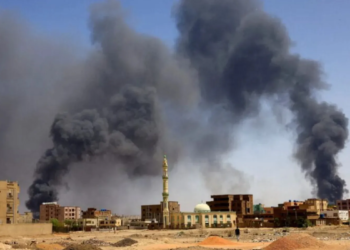
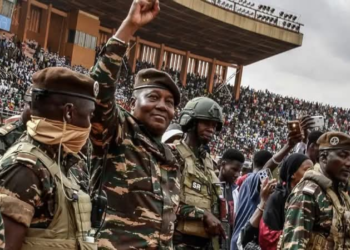
The summit comes at a time of persistent instability across parts of the Sahel, where military-led governments in countries including Mali, Burkina Faso and Niger have distanced themselves from regional bodies and reconfigured security partnerships. Analysts say the AU faces the delicate task of balancing sanctions, mediation and engagement while maintaining credibility among citizens frustrated by slow progress on peace and jobs.
Water security has taken on added urgency as droughts, floods and rapid urbanization strain infrastructure in several regions. AU officials say improved coordination and investment are essential to prevent water scarcity from exacerbating displacement and communal violence.
But on social media and in commentary carried by African news outlets, young people have questioned whether summit declarations translate into measurable change. Youth activists have pointed to high unemployment, rising living costs and protracted conflicts as evidence that continental frameworks often fail at implementation.
“The AU speaks strongly, but the impact on ordinary citizens is limited,” said one youth advocate quoted by a West African digital outlet, reflecting a sentiment widely shared online.
The AU has in recent years pushed institutional reforms aimed at streamlining decision-making and increasing member states’ financial contributions to reduce reliance on external donors. Officials say these steps are necessary to ensure faster responses to coups and crises.
Diplomats attending the summit said discussions also touched on mediation efforts in conflict-affected areas and coordination with regional economic communities, amid concerns that fragmentation among continental and sub-regional bodies could weaken collective security responses.
As the summit concludes Sunday, leaders are expected to adopt a final communiqué outlining commitments on water governance, peace initiatives and administrative reform. Whether those commitments will satisfy a young and increasingly vocal population demanding tangible economic opportunity and security remains an open question.