
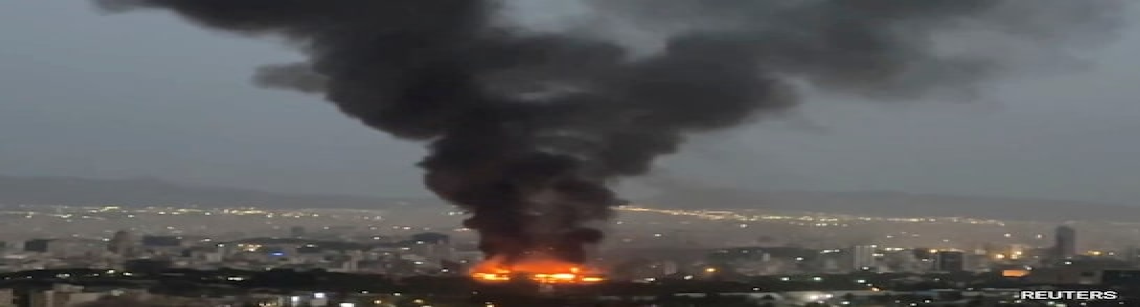
JERUSALEM (SCANS) — A widening war in the Middle East has drawn global attention and concern after the United States and Israel launched sustained air and missile strikes against Iran, prompting fierce Iranian retaliation and sparking violence in multiple theaters across the region.
Officials in Jerusalem and Washington say the strikes — part of a coordinated campaign dubbed Operation Lion’s Roar — aim to dismantle Tehran’s military infrastructure and diminish what they describe as an existential threat from Iran’s missile and nuclear programs. Israeli leaders said they targeted key Iranian command centers and military sites.
Escalation beyond borders
Iranian forces have responded with waves of ballistic missiles and drones aimed at Israel and U.S. military installations in Gulf states, including Bahrain, Qatar, and the United Arab Emirates, according to U.S. defense officials and regional media reports. Southern Lebanon’s Hezbollah — backed by Tehran — has also fired rockets into northern Israel, prompting heavy Israeli airstrikes on Lebanese positions.
Leadership claims and confusion
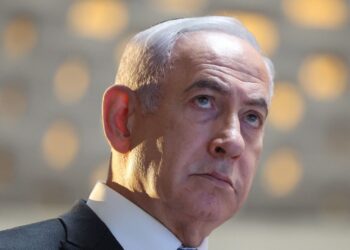
Israeli Prime Minister Benjamin Netanyahu acknowledged the severity of the conflict in a video message, thanking the United States for support and pledging intensified strikes. He reiterated claims that Iran’s Supreme Leader Ayatollah Ali Khamenei had been killed in the initial joint assault, a claim echoed by some Western sources but not independently confirmed by Iranian authorities.
Iran’s leadership has vehemently denied that any foreign attack has removed top figures from power and continues to direct retaliatory operations, warning that attacks on U.S. and allied military assets will persist.
Civilian impact and mobilization
Missile barrages and air raids have pushed millions of Israeli civilians into shelters nationwide as sirens blare across population centers, from Tel Aviv to Haifa. At least nine people have been reported killed in Israeli territory and dozens wounded due to Iranian strikes, while Iranian state media and humanitarian groups report hundreds killed and injured from allied counterattacks within Iran.
Israel’s military has mobilized tens of thousands of reservists, expanding emergency measures as leaders argue that decisive action is needed to protect the nation. Political opposition figures have largely rallied behind the war effort.
International response
The conflict has prompted sharp reactions worldwide. European Union nations issued a rare joint appeal urging “maximum restraint” and respect for international law, even as member states diverge on support for U.S. and Israeli actions.
World leaders continue to call for de-escalation, yet diplomatic avenues appear strained as military operations intensify. The United Nations Security Council has held emergency sessions to address the crisis, though clear consensus on a path forward remains elusive.
Global economic and strategic effects
The conflict’s escalation has disrupted air travel across the Middle East, with regional airspace closures forcing flight cancellations and reroutes. Energy markets have also reacted nervously, given the strategic importance of the Strait of Hormuz, a key maritime chokepoint for global oil supplies that has seen reduced commercial traffic due to security warnings.
Information warfare in parallel
Amid the kinetic fighting, misinformation has surged online, with unverified claims about leaders’ deaths and battlefield events proliferating across social platforms. Independent fact-checkers warn that images and narratives shared widely often lack verification from established news organizations.
As battles continue with no clear endgame in sight, the crisis threatens to redraw regional alignments, strain global alliances, and leave lasting impacts far beyond the Middle East.