
ABUJA, Nigeria (SCANS) — Nigeria’s police hierarchy is facing what could be one of the most sweeping changes in years following the abrupt resignation of Inspector-General of Police Kayode Adeolu Egbetokun and the elevation of Assistant Inspector-General Olatunji Rilwan Disu as Acting Inspector-General of Police, according to local news reports and official statements.
President Bola Ahmed Tinubu accepted Egbetokun’s resignation this week during a meeting at the Presidential Villa in Abuja, officials said, and immediately approved the appointment of AIG Disu to lead the Nigeria Police Force in an acting capacity.
Egbetokun had served as the 22nd indigenous IGP since June 2023. Disu, known widely within policing circles as Tunji Disu, was formally decorated Wednesday in a ceremony attended by senior government officials including the Chief of Staff to the President.
In his first address after assuming office, he pledged a crackdown on corruption and impunity within the force, framing his leadership around accountability and professionalism.
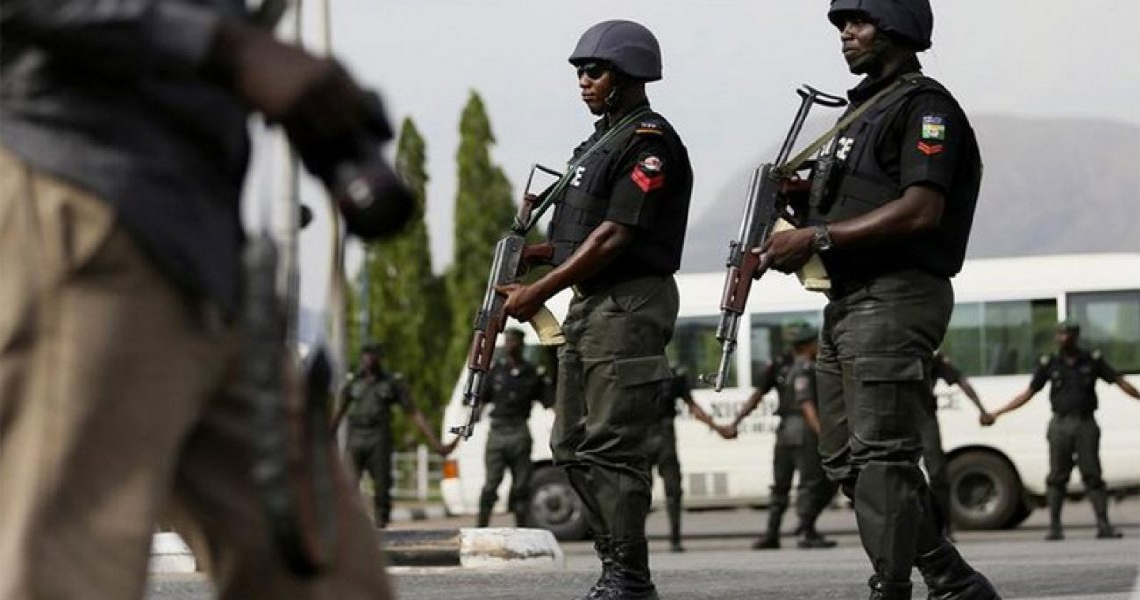
The leadership overhaul is quickly reverberating through the upper ranks of the force, as analysts and insiders say it is virtually certain to trigger the compulsory retirement or reassignment of numerous senior officers.
A Nigeria Police Force tradition holds that when a more junior officer is elevated to head the institution, senior officers with overlapping service timelines frequently step aside in line with hierarchy and retirement protocols.
Personnel records show Disu and at least eight Deputy Inspectors-General of Police were enlisted into the force on the same day — May 18, 1992 — and have advanced through the ranks together.
While their enlistment date is shared, statutory retirement ages vary among the group, meaning many are close to, or have reached, mandatory retirement.
Though no formal retirement notices have been issued, law enforcement sources tell local outlets that a larger list of about 35 senior officers, including several DIGs, could be pressed into retirement as part of the leadership transition.
Some reports suggest the reshuffle could include retirements of DIGs in key departments such as logistics, intelligence, and training.
The move comes amid broader public and civil society scrutiny of policing leadership. A local civil advocacy group has criticized Disu’s appointment on grounds that his impending retirement in April — when he turns 60 — could limit continuity at the top of the force unless his tenure is extended under provisions of the Police Act that allow a four-year term irrespective of age.
President Tinubu, speaking at the decoration ceremony, charged Disu with strengthening discipline across the force, enhancing collaboration with other security agencies and rebuilding public trust, particularly against a backdrop of ongoing challenges from banditry, insurgency and violent crime.
As Disu settles into his new role, attention is shifting not just to the imminent retirements but to how the reconstitution of the Force Management Team will influence Nigeria’s policing and security strategy in the coming months.