
KADUGLI, Sudan (AP) — Nearly two years into a civil war that has largely slipped from the global spotlight, the humanitarian crisis in Sudan has reached a “nightmare scenario,” according to international aid officials who warn of accelerating starvation and a collapse of essential services.
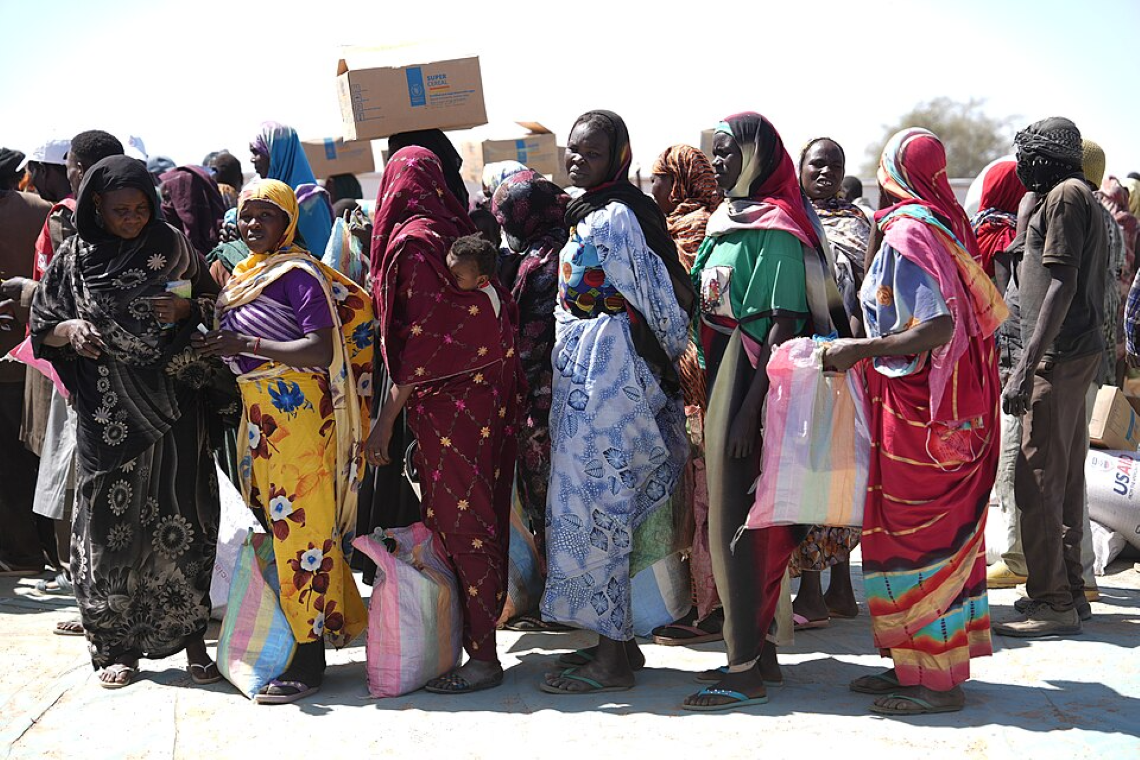
The Norwegian Refugee Council (NRC) reported this week that the Kordofan region has become the nation’s most dangerous frontline. In the major hubs of Kadugli and Dilling, all primary supply routes have been severed, leaving thousands of civilians trapped without access to food, cash, or medicine.
“After the horrors in Darfur, we cannot allow another civilian catastrophe to unfold on our watch,” said Jan Egeland, Secretary General of the NRC, following a visit to the region. “Entire cities are being starved, forcing families to flee with nothing. This is a man-made disaster.”
The conflict, which erupted in April 2023 between the Sudanese Armed Forces (SAF) and the paramilitary Rapid Support Forces (RSF), has created the world’s largest displacement crisis. More than 11.8 million people have been forced from their homes, with millions more crossing into neighboring Chad and South Sudan.
In South Kordofan, famine was officially confirmed in late 2024. Local mothers told aid workers they are waking up to find children who died of hunger overnight. With markets empty and prices for remaining staples soaring beyond reach, many families are reportedly surviving on boiled leaves.
The situation is equally dire in North Darfur. Independent reports indicate the city of Al Fasher is now largely deserted, stripped of medical supplies and functional hospitals. More than half a million people have sought refuge in the town of Tawila, which has transformed into a massive, overstretched settlement. NRC data shows at least 400 children have arrived in Tawila without parents since October, though the true number is expected to be much higher.
Health officials are also battling the largest cholera outbreak in Sudan’s history. Contaminated water sources and a decimated healthcare system—with over 70% of facilities non-functional—have led to more than 123,000 cases and at least 3,000 deaths.
Despite the scale of the suffering, international funding remains critical. Aid agencies noted that 62% of the required humanitarian needs went unfunded in 2025, forcing some organizations to scale back operations.
In the capital, Khartoum, there have been minor signs of normalization, including the recent landing of a second commercial flight at the international airport since the war began. However, aid groups warn that such developments do little to address the systemic violence and famine gripping the rest of the country.
The NRC is calling for an immediate end to sieges and for warring parties to guarantee the safe movement of aid workers.
“The people of Sudan need sustained diplomatic engagement that matches the gravity of this crisis,” the organization said in a statement. “They are being killed, and the world is once again looking away.”